
One of the most common questions clients ask me is “Is this a weed?”. The answer isn’t always straight forward though and I think we need to stop and think about it a little more before reaching for the garden gloves and promptly pulled it out.
But have you ever stopped to consider what actually makes something a weed? Is it the plant itself, or simply the fact that it's growing somewhere we don't want it?
It's an interesting question, and perhaps one worth thinking about before declaring war on every uninvited green visitor in the garden.
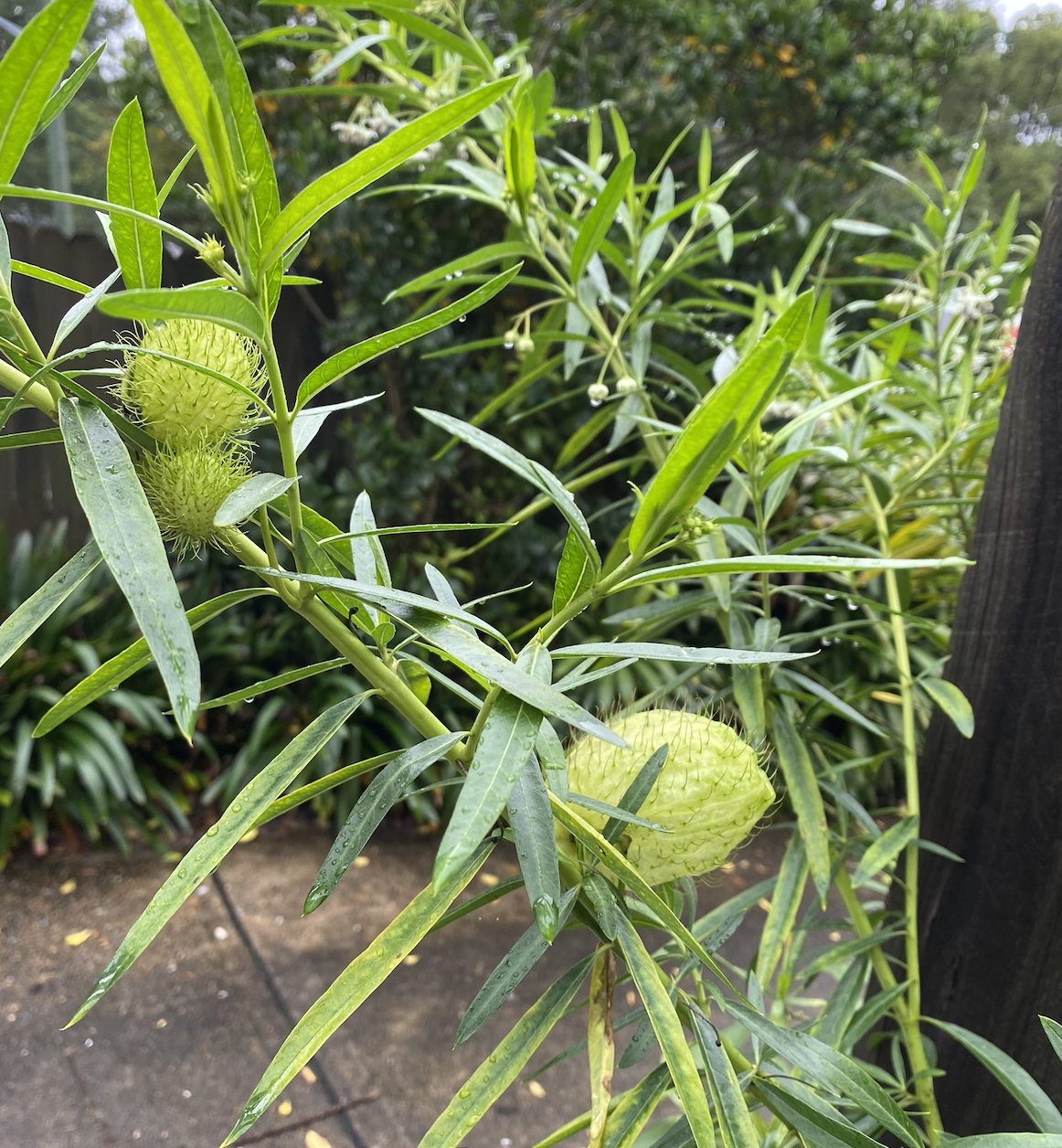
A matter of perspective
A weed is often described as a plant growing where it isn't wanted. By that definition, almost any plant could potentially be a weed.
A beautiful flowering plant growing amongst your prized perennials might be considered an intruder. Yet the same plant growing in a cottage garden could be welcomed and admired.
A dandelion in a perfectly manicured lawn might cause frustration, while the same flower in a less formal garden could be appreciated for its cheerful yellow flowers and contribution to pollinators.
The plant hasn't changed. Our expectations have.
Perhaps a weed is less about botanical classification and more about location, intention and how we choose to manage our gardens.
Every plant has a story
Most plants have a natural distribution and an environment where they evolved and belong. What we might casually call a weed could be an important part of an ecosystem somewhere else in the world.
Plants provide food, shelter and habitat for insects, birds and other wildlife. They contribute to soil health, biodiversity and the natural relationships that keep ecosystems functioning.
However, there is an important distinction between a plant being native somewhere and being suitable everywhere.
Australia has a fascinating and sometimes complicated relationship with introduced plants. Some have escaped from gardens, farms and other cultivated areas and established themselves in natural environments.
Without the natural predators, diseases or environmental limitations that may have kept them in check in their original habitat, some can spread rapidly.
They can outcompete native vegetation, change habitats and disrupt the delicate balance of local ecosystems.
So while a plant might be perfectly beautiful, that doesn't automatically make it a good garden guest.
Beauty doesn't always mean harmless
There are plenty of plants that could easily win us over with attractive flowers, interesting foliage or their ability to attract insects.
Some plants labelled as weeds are genuinely quite pretty. Others have useful properties or provide food for wildlife.
But this is where we need to separate appreciating a plant from encouraging it to grow unchecked.
A plant can be attractive and still be invasive. It can have benefits in one setting while creating problems in another.
Some plants are perfectly manageable in a contained garden environment but become problematic when allowed to spread beyond it.
And some are best avoided altogether because of their environmental impact or weed control requirements.
It's not necessarily about disliking the plant. It's about understanding its behaviour and the consequences of allowing it to spread.
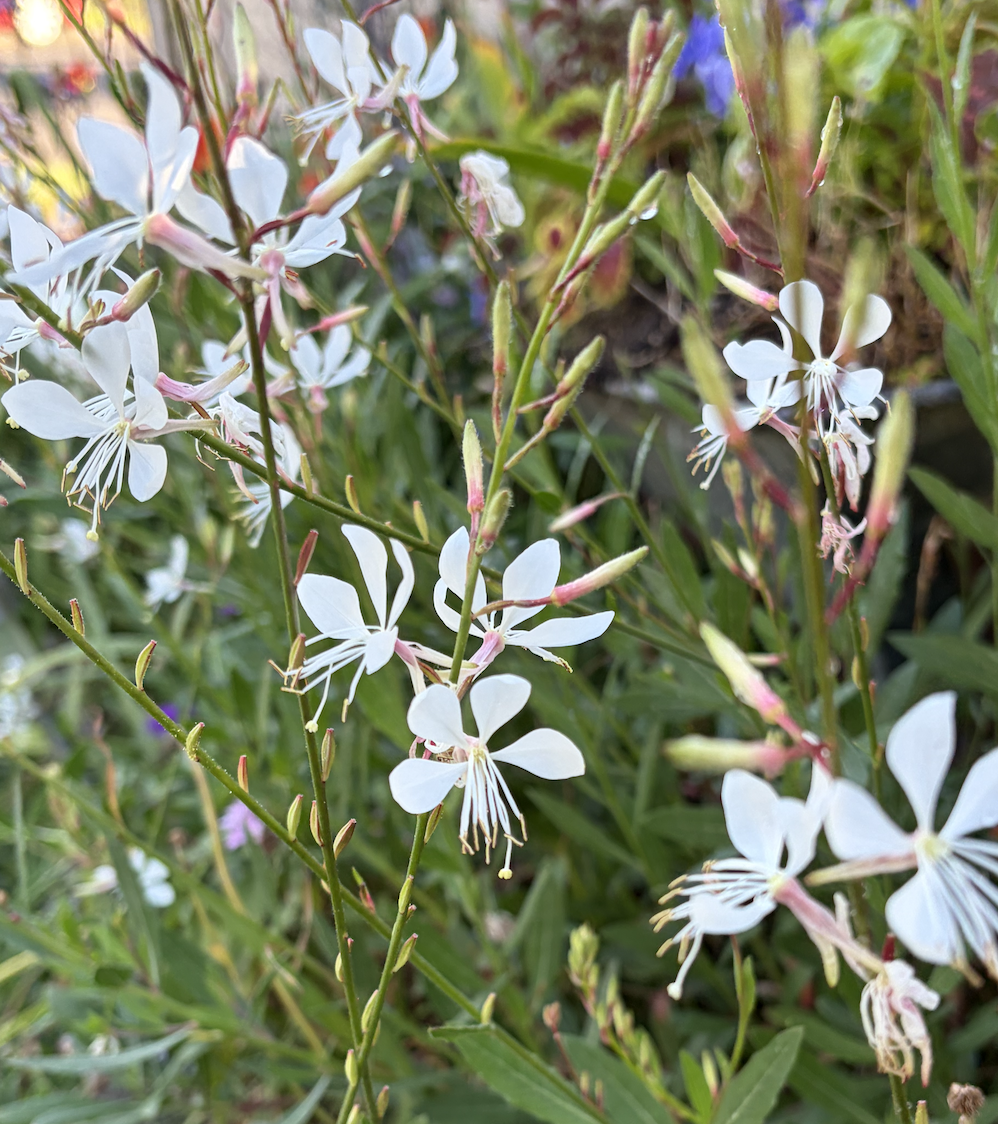
So, should we pull them all out?
Not necessarily.
I think there is value in becoming a little more observant in our gardens.
Before pulling out every unfamiliar seedling, take a moment to identify it. You might discover something interesting, something useful or simply something that doesn't need to be removed.
Consider:
Is it actually a problem?
Is it competing with plants I want to keep?
Does it provide food or habitat for wildlife?
Is it likely to spread aggressively?
Could it escape into surrounding natural areas?
Is it listed as an environmental or declared weed?
Sometimes the answer will be to remove it. Sometimes it might be enough to deadhead flowers before they set seed, prevent it from spreading or keep it contained.
And sometimes, if it's harmless and growing somewhere out of the way, perhaps we can simply let it be.
Of course, where a plant is subject to weed control requirements, those should always take priority.
A little less judgement, a little more understanding
Perhaps we need to change the way we think about weeds.
Not every plant growing without our permission is a villain. Some are simply opportunistic, some are incredibly resilient, and some are doing exactly what plants have evolved to do: grow, reproduce and find a place to survive.
But understanding the difference between an innocent garden visitor and a genuinely invasive plant is an important part of being a responsible gardener.
So next time you spot something unfamiliar popping up between your carefully planted flowers, take a closer look before reaching for the weeding fork.
You might still decide it needs to go, but at least you'll know why.
After all, is it really a weed, or just a plant growing in the wrong place?
I'd love to know what you think. Are you a meticulous weed remover, or do you occasionally let a few unexpected visitors stay if they're doing no harm?