
Spring might officially be here, but your garden has its own timetable.
There is something about September that makes gardeners restless The days are getting longer, the soil is warming up and new leaves and flowers are appearing and suddenly every nursery seems to be whispering:
“Go on… you know you want to buy another plant.”
But while the calendar tells us that spring has arrived, our gardens don't necessarily agree. For many of us we’ve had a very mild winter so spring has been with us long before the calendar ticked over.
And that's one of the things I love about gardening, there is no universal “do this on September 8th” button.
A garden responds to its climate, its soil, its aspect, its rainfall, its microclimate and, most importantly, the plants actually growing in it.
So rather than simply asking: “What should I be doing in the garden this month?”
perhaps a better question is: “What is my garden telling me it needs?”
Your garden has its own seasons
This is especially relevant in an Australian garden. Spring in Hobart is not the same as spring in Brisbane. A garden in Canberra can be experiencing very different conditions from one in Sydney, while a gardener in Darwin is working with an entirely different seasonal pattern again.
Even two gardens in the same suburb can behave differently. One might receive full morning sun and sit on heavy clay yet another might be shaded by a neighbouring building, have sandy soil and stay considerably cooler much of the day.
Don’t get me wrong, gardening calendars are incredibly useful starting points but they are just that — starting points. Your garden gets the final say.
So what should you be looking for?
Instead of immediately reaching for the gardening checklist, take a walk around your garden. Actually look at it. Not the quick glance you give it while carrying the washing out.
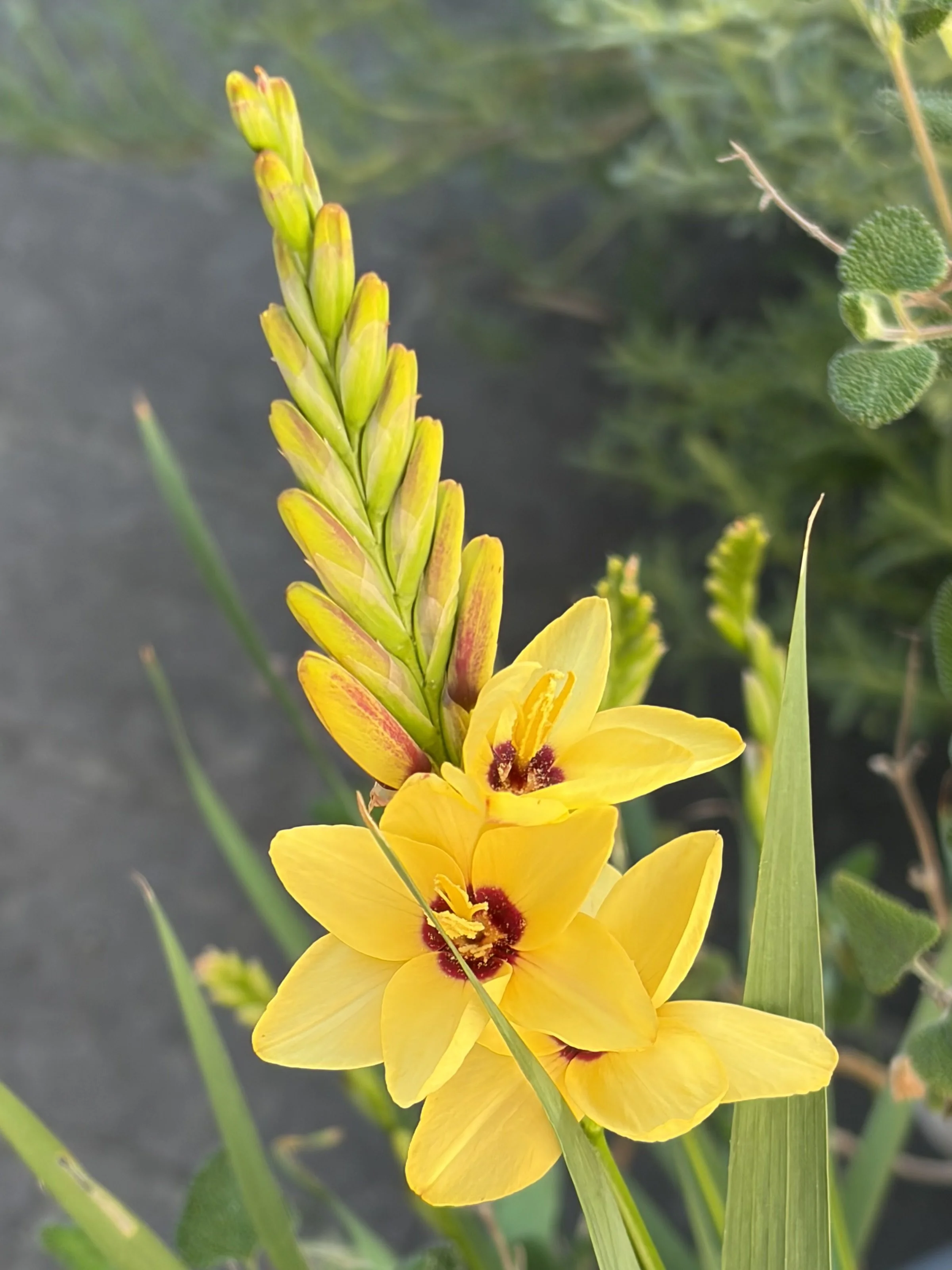
🌱 Look at the new growth
Are plants producing new leaves? Are buds forming? Are some plants still completely dormant? New growth is one of the clearest signs that a plant is responding to changing conditions.
It can also tell you which plants are ready for a little attention — and which ones aren't.
If something is still dormant, don't assume it has missed the memo. It may simply be responding to your particular microclimate.
🌿 Look at the soil
Is it still holding winter moisture? Has it become hard and compacted? Is the surface dry while the soil underneath is damp? Is organic matter breaking down?
Before automatically watering or fertilising, have a look at what is actually happening beneath the surface.
Sometimes the best gardening decision is not doing something.
🐝 Look who's moved in.
Spring isn't just about plants, it's also about insects too.Bees, butterflies, hoverflies and other pollinators become increasingly noticeable as flowering plants provide more food.You may also notice the less welcome residents appearing such as Aphids, caterpillars, scale and other garden pests which can become more active as temperatures rise.
But before reaching for the spray, stop and have a closer look. Not every insect in your garden is a pest. Some may be predators helping you keep the actual pests under control. A little insect damage can also be part of having a living, functioning garden.
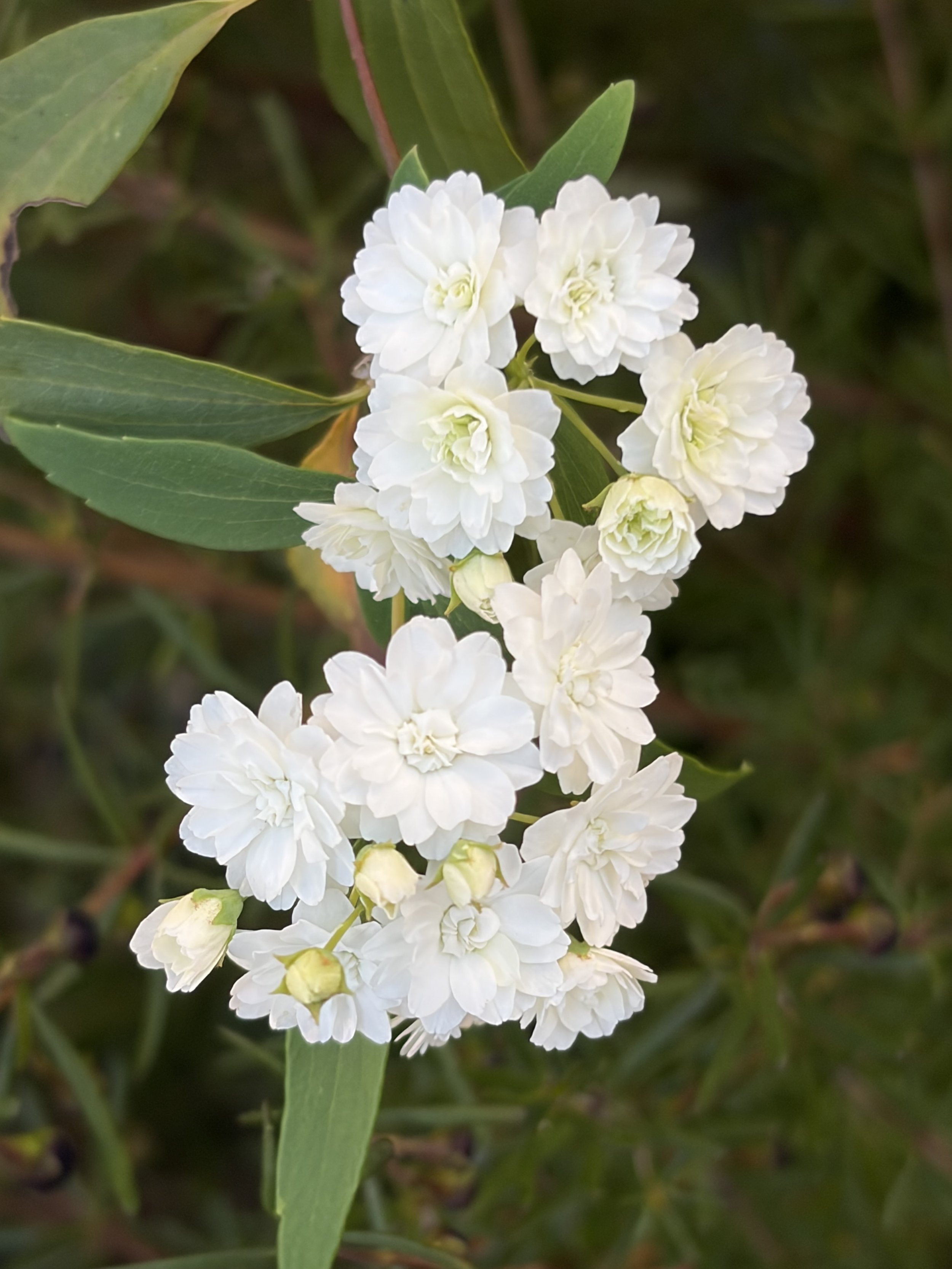
🌸 Look at what is flowering
This is one of my favourite ways to understand a garden. Which plants are flowering now? Which ones are just beginning to bud? Which ones are attracting the most insects? Are there gaps where you could introduce something that flowers at a different time?
Your garden is constantly giving you information about its own rhythm. You just have to notice it. Don't let the calendar bully youbecause plants don't own calendars.
They respond to temperature, light, moisture, soil conditions and their own biology.
That means a gardening calendar should be a guide rather than a set of commandments.
If your garden is still cold and wet, planting something simply because the calendar says spring may not give you the result you're hoping for.
Likewise, if your garden is already warming up and plants are actively growing, you may find that it is ready for jobs slightly earlier than a general gardening guide suggests.
Learn your garden
One of the best things you can do as a gardener is become familiar with your own little patch of the world.
Notice where the first morning sun falls.
Notice where water collects after rain.
Notice which areas dry out first.
Notice which plants flower first.
Notice where frost lingers.
Notice where the soil warms quickly.
Notice which plants attract bees.
Notice where weeds appear first.
Over time, you begin to build a mental map of your garden. You could even create your own garden mud map — a simple record of what happens where in your garden. Check out my Garden Mud Map fact sheet on the website if you'd like to create one yourself.
Spring is an invitation to observe and ask yourself what is my garden telling me.
Look at the plants, touch the soil, watch the insects and notice what has changed.
It might need a feed or a mulch but maybe is doesn’t need anything at all.
Perhaps it just needs you to stop for five minutes and appreciate what is happening.
Because gardening isn't really about making your garden obey a calendar.
It's about learning to read it.
And once you start paying attention, you may discover that your garden has been talking to you all along.
🌿 A little Botanical Curator thought
The more time I spend gardening, the more I realise that plants are remarkably good teachers. They don't rush because a calendar says they should. They respond to the conditions around them, adapt, wait, grow and flower when they're ready.
Perhaps there is something in that for us, too.